
Introduction
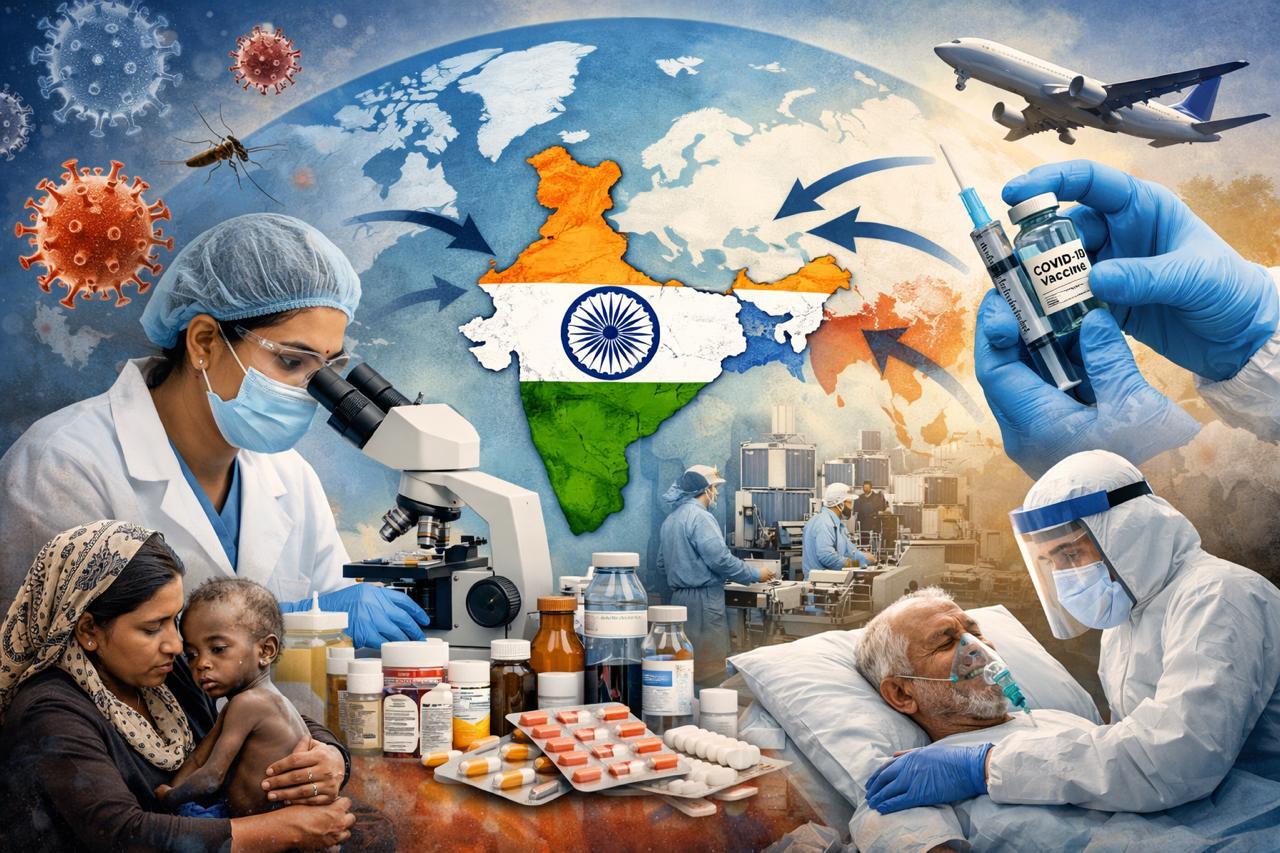
In an increasingly interconnected world, health challenges no longer remain confined within borders. From infectious diseases in Africa to rising cardiovascular disorders in North America and chronic conditions in Asia, the global burden of disease is a shared concern. Yet, despite medical advancements, access to affordable, high-quality healthcare remains uneven. India, however, is changing that narrative.
As a global hub for medical tourism, India has positioned itself as a leading provider of affordable, accessible, and world-class healthcare. Patients from Africa, the Middle East, Europe, and the Americas are increasingly turning to Indian hospitals not just for cost-effective treatments but also for advanced care delivered by internationally trained medical professionals.
This article explores the major regional health issues across the globe and how India, through strategic government policies and world-class medical facilities, offers a compelling solution. We also delve into the Indian government's progressive initiatives like Ayushman Bharat and the medical visa regime, which are making treatments easier and more accessible than ever. For international patients, the decision is becoming clearer: India is no longer just an alternative—it's the preferred choice.
Section 1: Understanding Regional Health Issues
Africa
Africa faces a dual burden of infectious and non-communicable diseases. Countries like Nigeria and Kenya continue to struggle with malaria, HIV/AIDS, tuberculosis, and lower respiratory infections. At the same time, urbanization has led to rising rates of diabetes and cardiovascular diseases.
Asia
Home to over 60% of the world's population, Asia experiences diverse health issues. While Southeast Asia grapples with infectious diseases and maternal health, nations like China and India are witnessing a surge in lifestyle-related conditions like diabetes, hypertension, and heart disease.
Europe
Chronic diseases dominate Europe's health landscape. Conditions such as cancer, heart disease, Alzheimer's, and stroke are major contributors to mortality. Moreover, an aging population adds pressure on healthcare systems.
North America
In the US and Canada, obesity-related illnesses including diabetes and cardiovascular conditions are rampant. Despite having advanced healthcare infrastructure, treatment costs remain prohibitively high for many.
South America
Cardiovascular diseases, diabetes, and respiratory infections are the most pressing health issues. Access to specialist care remains a barrier in several regions.
Oceania
Australia and New Zealand have excellent healthcare systems, but remote island nations still struggle with access to care and high rates of non-communicable diseases.
Section 2: How India Addresses These Health Challenges
India's robust healthcare ecosystem provides advanced treatments for nearly every major global health concern. Here's how:
- Affordable Cardiac Care: India offers world-class heart surgeries at 10-20% of the cost in the US or UK. Hospitals like Fortis and Apollo are known for their cutting-edge procedures, including bypass surgery, valve replacements, and angioplasty.
- Oncology Excellence: Cancer treatment in India is comprehensive, covering chemotherapy, radiation therapy, and robotic surgeries with advanced diagnostic support.
- Diabetes and Endocrine Solutions: India has specialized diabetes clinics offering both preventive and surgical care, including metabolic and bariatric surgery.
- Infectious Disease Treatment: From tuberculosis to hepatitis, Indian hospitals offer highly specialized care backed by WHO protocols.
- Orthopedic and Joint Care: High-quality knee and hip replacements at a fraction of Western prices attract patients globally.
- Fertility and Reproductive Health: IVF, surrogacy, and fertility treatments are offered with high success rates and transparent regulations.
- Multilingual Support: Most hospitals have translators for French, Arabic, Russian, Swahili, and more, enhancing patient comfort.
Section 3: Government Support & Healthcare Infrastructure
India's medical excellence is underpinned by progressive government policies:
- Ayushman Bharat Scheme: One of the world's largest publicly funded healthcare programs, offering insurance coverage for 500 million people. It has significantly expanded access to tertiary care.
- eSanjeevani Telemedicine: Allows remote consultation with top specialists, even before patients arrive in India.
- Medical Visa Simplification: Fast-track medical visas and attendant visas with extended stays.
- Regulated Pricing: The government caps prices on critical surgeries and medications, ensuring transparency and affordability.
- Investment in Healthcare Infrastructure: Tier-1 cities have JCI-accredited hospitals while tier-2 cities are rapidly scaling up with NABH-accredited facilities.
Conclusion
As the global demand for affordable and advanced healthcare intensifies, India's role as a medical tourism powerhouse continues to grow. From addressing Africa's infectious disease burden to offering cardiac and cancer care to patients in North America and Europe, India is meeting global healthcare needs head-on.
The Indian government's commitment to accessible healthcare, combined with the clinical excellence of its doctors and the cost-effectiveness of its treatments, makes it the logical destination for international patients.
At CureXpress24, we help you bridge this opportunity with ease. Our AI-powered medical tourism platform matches you with the best hospitals and specialists based on your specific condition, language, cultural preference, and budget.
Your journey to better health starts here. Contact CureXpress24 today.